

 Türkçe
SAP BTP TO SAP BUSINESS AI PLATFORM (BAIP)
A SMALL NAME CHANGE, A NEW AI-DRİVEN ARCHITECTURAL VISION
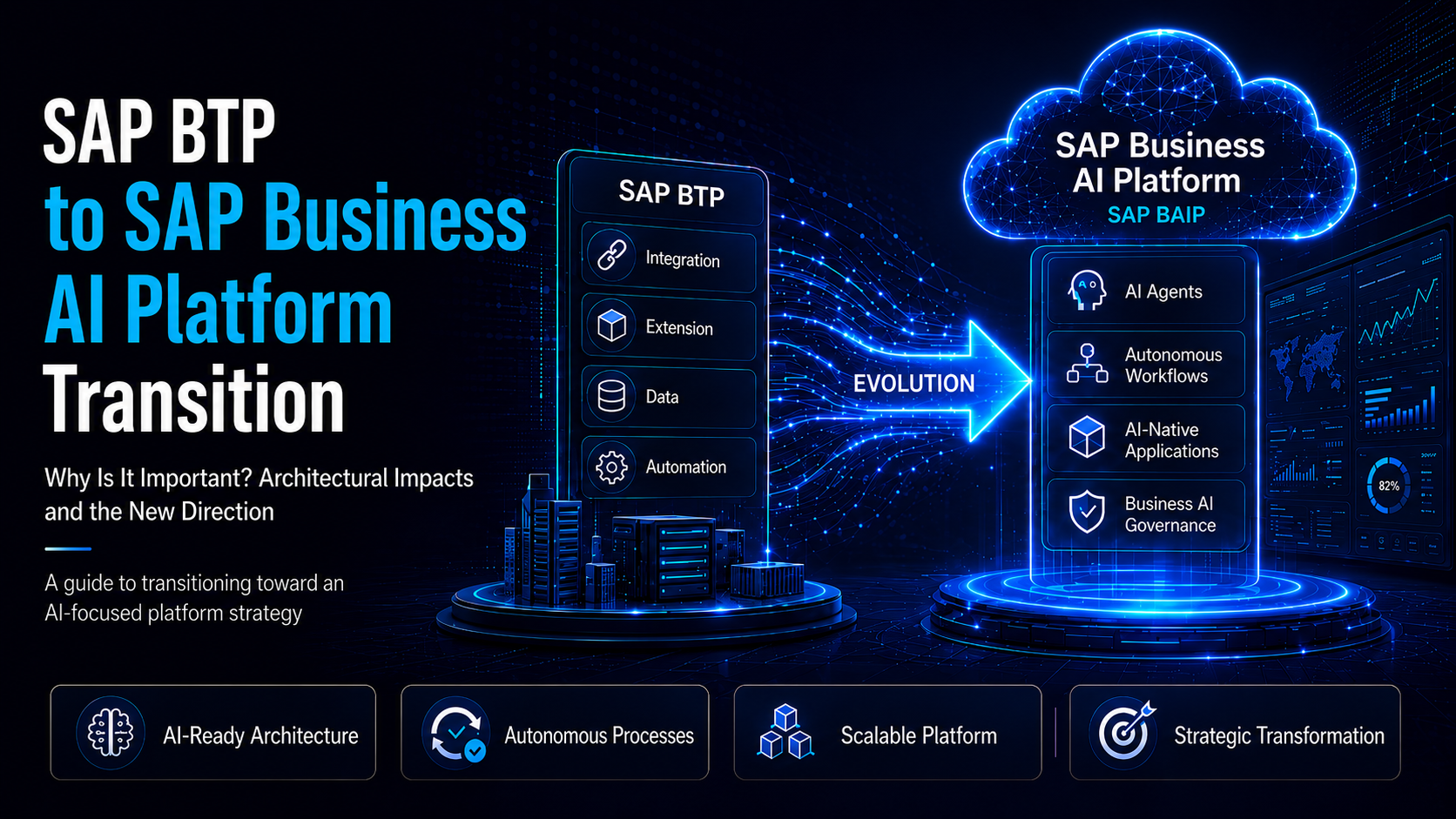
SAP BTP TO SAP BUSINESS AI PLATFORM (BAIP)A SMALL NAME CHANGE, A NEW AI-DRİVEN ARCHITECTURAL VISION |
AI-First Transformation Approach from the Perspective of SAP BTP, SAP Business AI Platform, and Solution Architecture
The concept of the platform is entering a new era in the SAP ecosystem. For many years, SAP Business Technology Platform (BTP) has served as the center of integration, extension, data management, and automation needs. It is now being positioned as a core component of SAP's broader Business AI vision. This change is not simply about placing product names side by side; it represents a strategic shift that redefines how organizations design their technology investments around business outcomes.
As of June 30, 2026, the SAP Business Technology Platform partner competency label was renamed SAP Business AI Platform (BAIP) competency. Partners with an existing BTP competency were automatically transitioned into the BAIP scope; no immediate changes were made to their current level, specialization, or ongoing competency processes. However, this operational continuity does not mean that the change is merely cosmetic.
The real message lies in the architecture: AI is no longer a separate service added later on top of the integration layer, but a native part of the platform that works together with its data, process, application, and governance capabilities. For solution architects, the question is no longer limited to 'How do we connect and extend systems?' The new question is how to design AI-native processes that operate on trusted business data, respect enterprise authorizations, make decisions, and take controlled action.
|
💡Miacore Insight: Viewing the transition from BTP to BAIP merely as a name change means missing the real architectural opportunity. Integration, data, and application development capabilities remain important; however, they must now securely support agents, autonomous workflows, and AI-native applications. An AI-ready architecture is created through the right foundation established before the AI project begins. |
How Is the Transition from BTP to BAIP Positioned in the SAP Ecosystem?
To understand this transformation correctly, two levels must be distinguished. The first is the official change to the partner competency name: while the BTP competency label became BAIP competency, existing partners were transitioned seamlessly to the new label. The second and more important level is SAP's platform strategy. SAP Business AI Platform is positioned as an enterprise AI foundation that brings together BTP capabilities, SAP Business Data Cloud, and SAP Business AI components within a shared governance model and business context.
Therefore, BTP is not disappearing. Integration Suite, SAP Build, application development, automation, APIs, events, security, and data services continue to form BAIP's core execution layer. What changes is that these services are designed to work together not merely to produce standalone technology outputs, but to enable AI agents to understand real business processes, access the right data, and perform controlled actions.
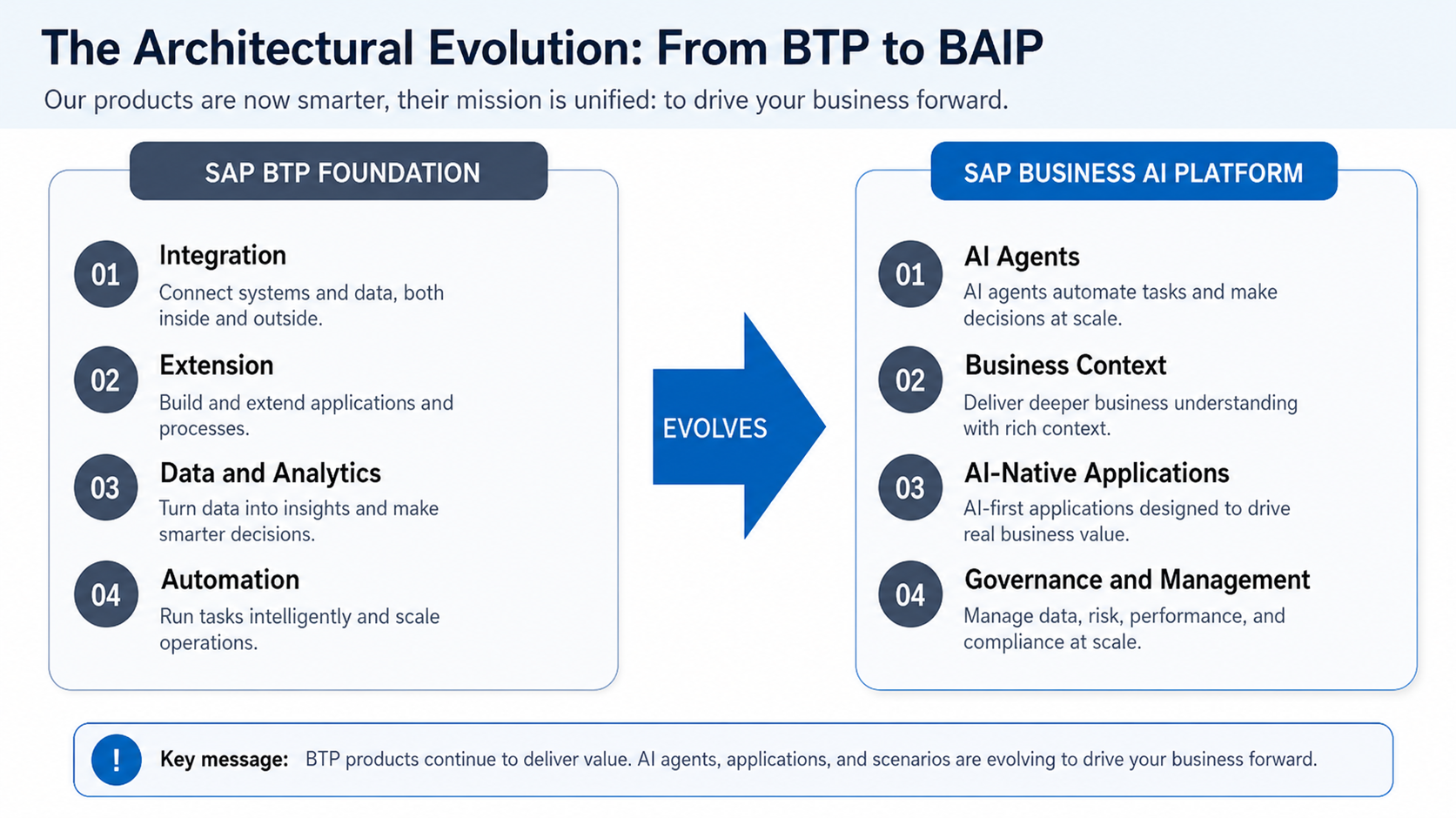
Figure 1 - Shift in architectural focus from BTP to SAP Business AI Platform.
The table below summarizes the dimensions that are changing most in the architectural agenda evolving from BTP to BAIP, together with the previous primary focus, the new approach, and the key benefit for the organization:
|
Architectural Dimension |
Primary Focus in the BTP Era |
New Focus with BAIP |
Key Benefit |
|
Platform Positioning |
A shared technology platform for integration, extension, automation, and data services |
Bringing AI, data, process context, integration, and governance together on a single enterprise AI foundation |
Scaling AI projects from isolated pilots to production |
|
Application Development |
Clean-core-compliant extensions, low-code/pro-code applications, and workflows |
Adding agent, AI-native application, and agentic workflow design to the application lifecycle |
Faster, context-aware innovation in business applications |
|
Process Orchestration |
Rule-based integration and deterministic automation |
Reason-decide-act approach, tool use, human-in-the-loop, and controlled autonomy |
Greater speed and less manual coordination across end-to-end processes |
|
Data and Governance |
Data integration, analytics, and service-based security controls |
AI-ready data, semantic business context, identity and access management, and model and agent lifecycle governance |
Trustworthy, explainable, and compliant AI outputs |
|
Partner Value and GTM |
Technical platform expertise and a product-centric service proposition |
AI-led business outcomes, agentic use cases, data-to-AI pipelines, and measurable proof of value |
Stronger customer differentiation and new service opportunities |
BAIP Use Cases: Why Is the Architectural Agenda Changing?
In traditional platform projects, the design centers on an interface, API, application, or workflow. The BAIP approach introduces a new actor on top of these structures: an AI agent that can interpret business context, use multiple tools, make decisions throughout the process, and request human approval when necessary. A powerful model alone is not enough for this agent to operate reliably; the right data, semantic context, integration layer, authorization model, monitoring, and error management must work together.
Therefore, each process should be evaluated with the following distinction: Should the scenario be solved through deterministic integration? Is classic automation sufficient? Or does an agentic design that interprets uncertain decisions and takes action across multiple systems truly create business value? BAIP does not mean making every process autonomous; it means applying the right level of autonomy to the right process under enterprise control.
|
💡Miacore Experience: In field projects, the factor that most determines the success of AI use cases is not model selection, but the correct definition of process boundaries and data responsibilities. Which data the agent will read, which API or integration it will invoke, when it will request human approval, and how it will recover from failure must be designed from the outset. |
The integration, application development, automation, and data management capabilities built on BTP over the years are the indispensable foundation of the BAIP architecture. In the new era, however, this foundation should be treated not merely as a layer that transfers data between systems, but as an execution backbone that provides AI solutions with trusted business context and controlled action capabilities. To design the target architecture correctly, it is necessary first to understand the strengths of the existing BTP approach and then the new responsibilities introduced by AI-native design.
Architectural Approach 1
Integration- and Extension-Centric Architecture on SAP BTPIn the classic BTP-centered modernization approach, an organization integrates SAP and non-SAP applications, develops clean-core-compliant extensions, securely publishes APIs, automates workflows, and prepares enterprise data for analytical use. This approach establishes a strong standard for scalable digitalization and provides the technical foundation on which BAIP is built. [ Integration and Connectivity Layer ] SAP Integration Suite, API Management, and event-driven components enable secure communication among applications, data, and business partners. Endpoints, authentication, mapping, routing, error handling, and monitoring are managed within this layer. [ Application and Automation Layer ] Using SAP Build, CAP, ABAP Cloud, and process automation capabilities, new business applications, extensions, and rule-based workflows are developed. Repetitive tasks performed by people are automated in a controlled manner. [ Operational Impact ] Although this architecture is powerful and sustainable, if AI is treated merely as a chatbot added at the final stage, process context, data quality, tool access, and governance may remain fragmented. The BAIP perspective does not so much replace existing layers as transform them into a common architecture in which AI can securely reason, decide, and act. |
Architectural Approach 2
AI-Native Business Process Architecture with SAP Business AI PlatformThe goal of an AI-native architecture is not merely to create an assistant that responds to users. The objective is to develop agents, applications, and workflows that understand enterprise data and process context, use authorized tools securely, collaborate with people, and provide end-to-end traceability of outcomes. SAP Business AI Platform supports this approach by bringing different capabilities together under a single governance model:
|
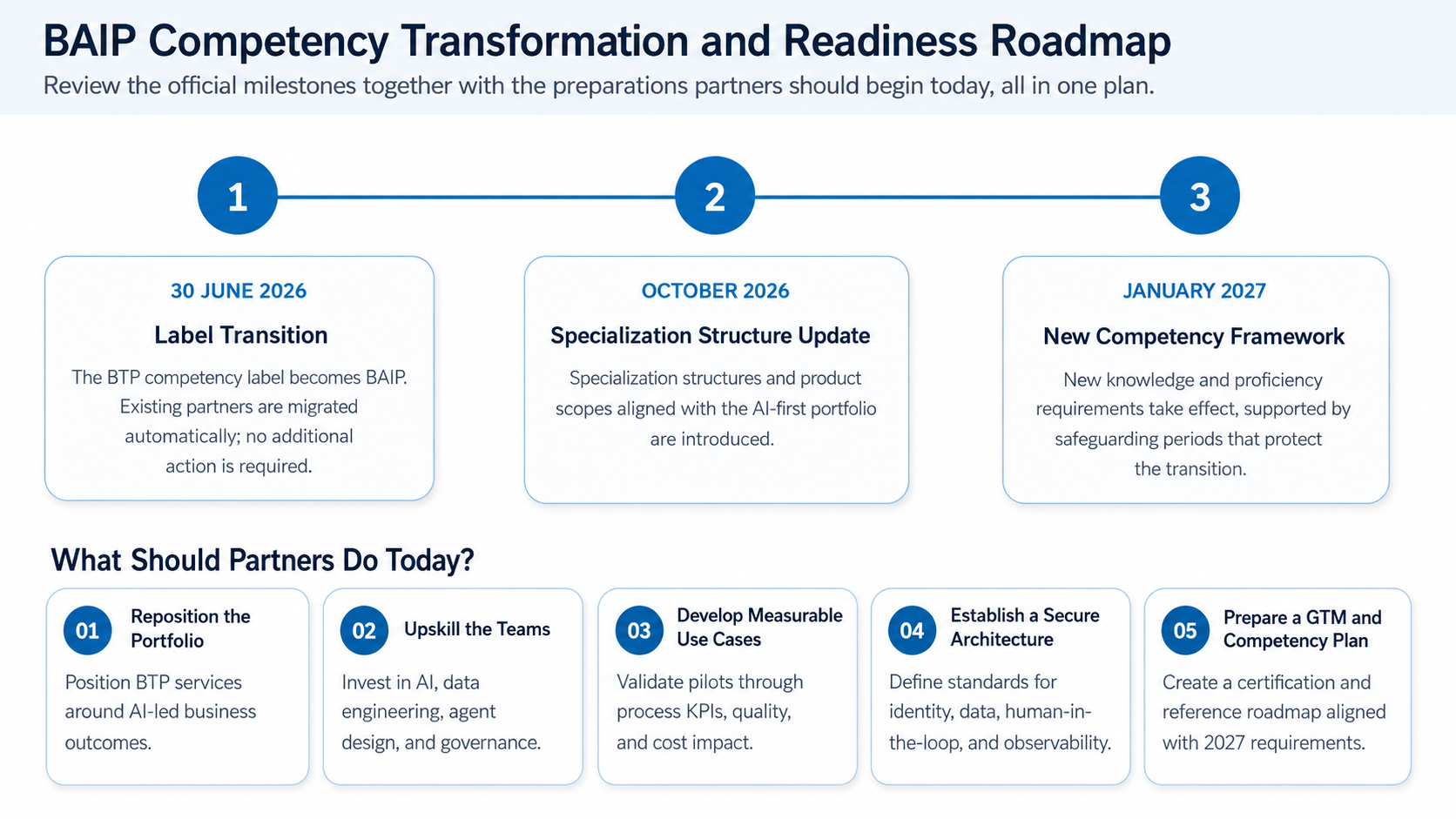
Figure 2 - BAIP competency transformation and partner readiness roadmap.
Why Is the Transition from BTP to BAIP Important for SAP?In organizations using SAP, the platform layer is the main backbone through which ERP processes connect with the outside world, data, applications, and user experiences. As AI agents take on roles in critical processes such as finance, supply chain, sales, procurement, human resources, and customer experience, this backbone will no longer only provide connectivity; it will also provide the business context that AI can securely understand, use to make decisions, and act upon.
|
What Are the Risks of an AI-Ready Architecture?
When AI transformation is not planned correctly, the risk is not limited to generating an incorrect answer. An agent may read the wrong data, trigger an unauthorized transaction, repeat the same process, or present a decision that cannot be explained to the user. Most of these risks arise not from the model itself, but from inadequate design of context, integration, security, process boundaries, and the operating model.
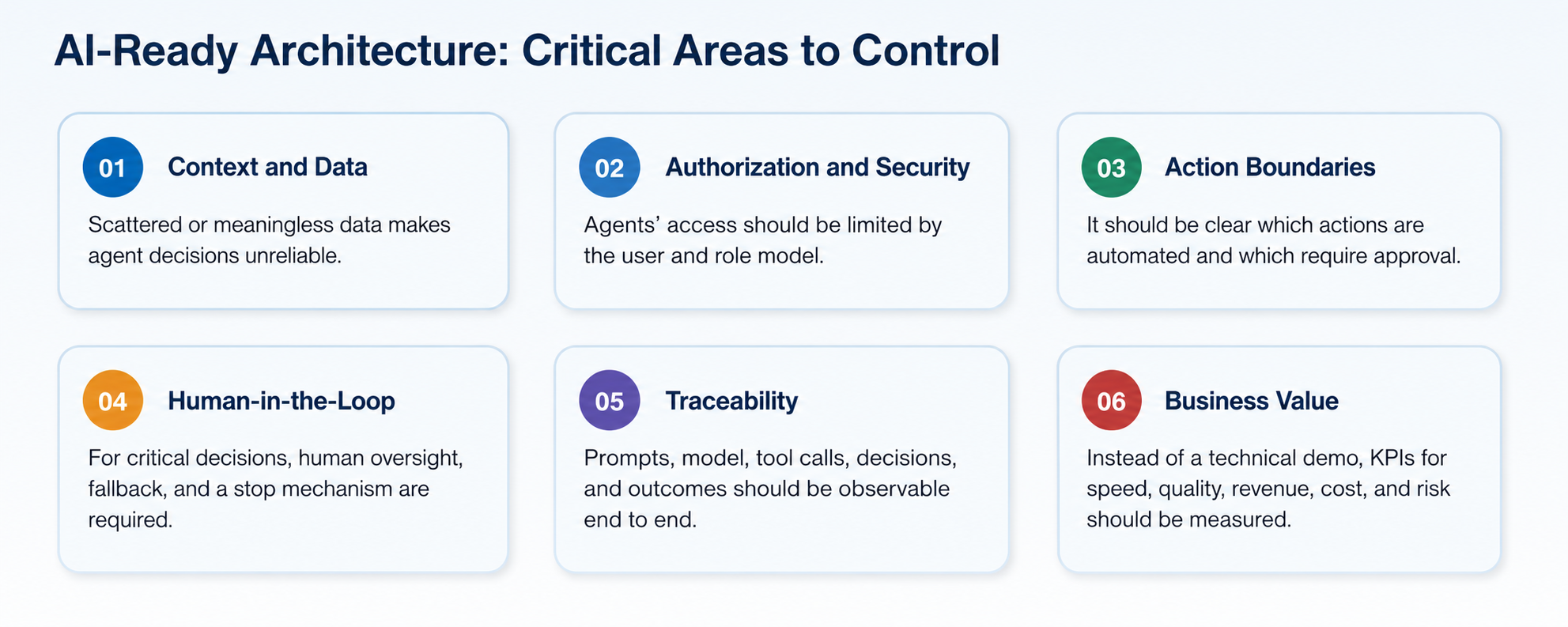
Figure 3 - Critical areas to control in an AI-ready architecture.
● Context-Free AI Risk: A model disconnected from enterprise process and data meaning may produce fluent but business-incorrect results. Grounding sources, the semantic model, and data ownership must be clearly defined.
● Uncontrolled Action Risk: Granting agents broad permissions may cause incorrect or repeated transactions to be reflected in production systems. Tool access, transaction limits, approval levels, and idempotency rules must be defined.
● Security and Identity Risk: If it is unclear on whose behalf the agent acts, which role it has, and which data it can access, the enterprise access model becomes weaker. Identity, authorization, and the audit trail must be protected end to end.
● Observability and Operations Risk: When the chain of prompts, models, data sources, tool calls, decisions, costs, and outcomes cannot be observed, the root cause of failures cannot be identified. Monitoring and alerting should cover agent behavior, not only interfaces.
● Proof-of-Value Risk: Not every AI scenario that works technically delivers business value. Process time, error rate, user productivity, revenue, cost, and risk KPIs must be defined before the pilot begins.
What Determines Success in the BAIP Transformation?In the transition from BTP to BAIP, technology matters; however, the main determinants of success are selecting the right use case and applying end-to-end architectural discipline. For an AI-native process to be production-ready, the following questions must be answered clearly during the design phase:
|
|
🚀Why Miacore?: At Miacore, we combine our field experience in integration, SAP BTP, data, application development, and business processes with an AI-ready architectural approach. We do not simply develop an agent demo; we jointly design use-case selection, the data and integration foundation, security boundaries, the human-in-the-loop model, the test strategy, and post-go-live operations. |
BAIP Is Not a Rebranding; It Is a Shift in Architectural Direction
The competency label change on June 30, 2026 provided partners with a seamless transition in the short term. However, specialization structures and product scopes are expected to be updated in October 2026, while new knowledge and proficiency requirements are expected to take effect in January 2027. This timeline shows that SAP will define platform value increasingly and more explicitly through AI-led business outcomes.
The message for organizations is clear: investments in Integration Suite, APIs, events, application development, automation, and data capabilities are not losing value; on the contrary, they are becoming even more critical for enabling AI agents to operate securely in production. The differentiator is to design these capabilities not as separate technology islands, but as the shared foundation of AI-native business processes that understand context and take controlled action.
This is precisely where Miacore steps in. With field experience gained from large-scale integration and SAP BTP projects delivered for industry-leading organizations, a consulting approach that accurately interprets business processes, and technical expertise in next-generation AI architectures, we make organizations' BAIP journeys secure and measurable. With Miacore, we do more than connect systems; we prepare your data, processes, and integration infrastructure for the AI-powered enterprise era.